From a 1422 sweating house to today’s kkot-tang: how to try a Korean hanjeungmak
Korea has a very old habit of sitting in strong dry heat. The wellness boom is new, but the kiln-like room behind the word hanjeungmak shows up in records from the 1400s.
01
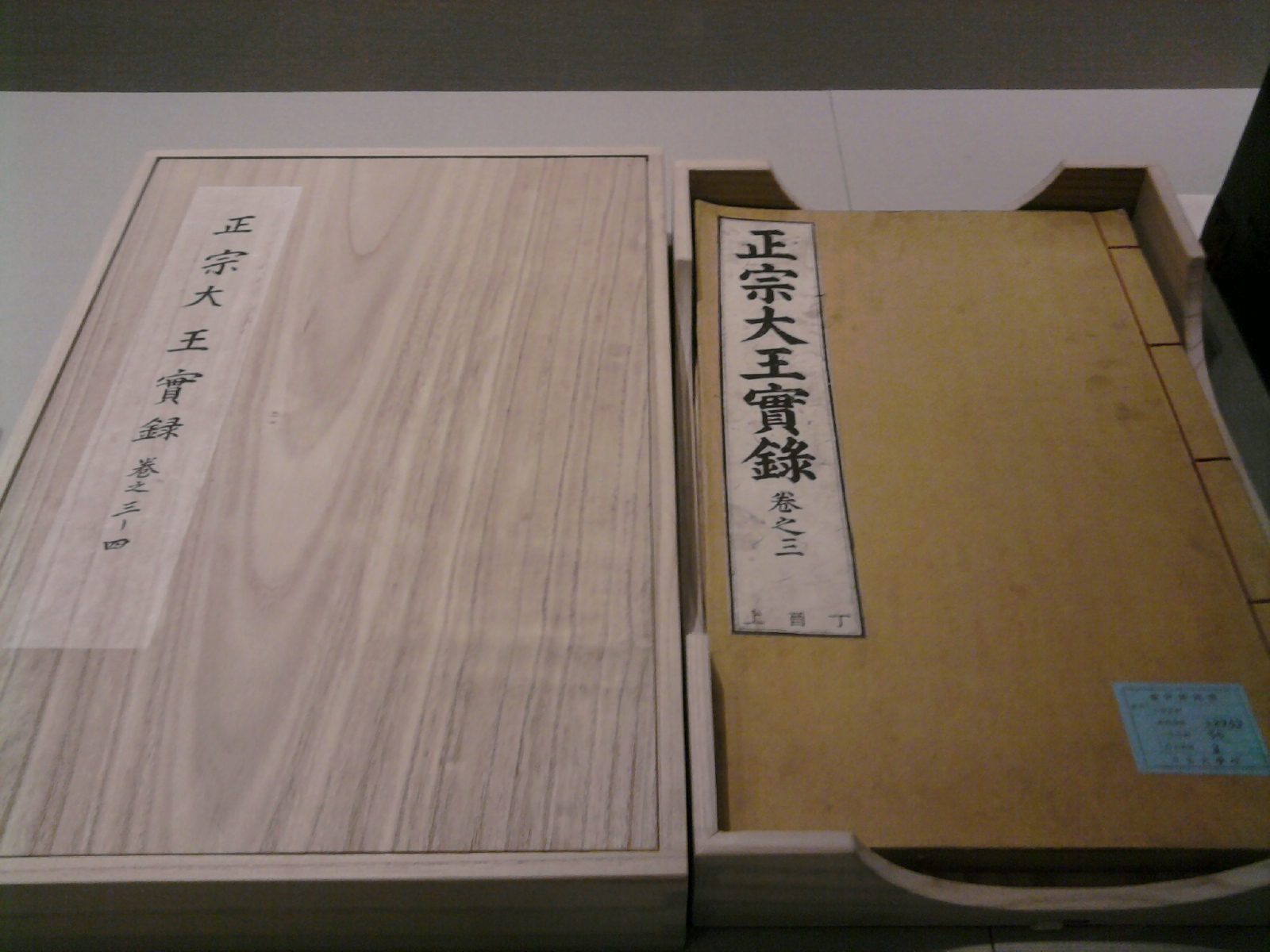
1422: a report about deaths at a sweating house
The Annals of King Sejong record that on the second day of the tenth lunar month of 1422, the Board of Rites (Yejo) reported to the king that patients had died at hanjeungso, sweating houses. At the East and West Hwalinwon, the state relief hospitals, and at the hanjeungso in Hanyang (today’s Seoul), monks were making people sweat without checking their symptoms first.
The Board proposed placing physicians at these places to examine each person first and to allow hanjeung only for those it suited. Sejong accepted the proposal, and the hanjeungso stayed open.
02
What the entry tells us
Hanjeungso already existed in early Joseon, and hanjeung was part of how the sick were treated. 1422 is the year the practice was written down, not the year it began. The entry does not say what wood was burned or how hot the rooms were, so it can’t tell us how those rooms compare with a hanjeungmak today. It also shows that people then knew heat could hurt, which is why the officials asked for an examination first.
For more on how this fits into the longer story of bathing in Korea, see our history of bathing.
03
Hanjeungmak today
A modern hanjeungmak is a dome or hut that is heated with firewood first, and then people go in to sit in the heat. On Ganghwa Island, Incheon, the city’s 2016 introduction to local hanjeungmak describes Gangsan Hanjeungmak firing its dome with oak every dawn. At Cheongsol Hanjeungmak, the hot kiln right after the fire is pulled out is called kkot-tang (꽃탕, literally “flower bath”), and there is a separate jeoon-tang (저온탕), a lower-heat room. The washing area is a simple shower. The Ganghwa county tourism site lists Cheongsol as an oak-fired hanjeungmak open 24 hours.
These are small places for sitting in heat, so don’t expect a large bathhouse with pools.
04
Kkot-tang in Seoul
Seoul has a charcoal-kiln version too. Supsok Hanbang Land, at the foot of Mt. Ansan near Sinchon, has outdoor charcoal kilns set at different heat levels, from mild to hot, and local write-ups call the kkot-tang the hottest of them. People usually wear thick socks, gloves and wooden clogs for it.
So the word does not mean exactly the same thing everywhere. In Ganghwa it points to the kiln just after the fire is pulled, in Seoul to the hottest kiln. What they share is strong heat. Temperatures in reviews vary and are rarely measured, so don’t plan around a number you read in one. Ask the staff at the place you go to and follow the posted rules.
05
For your first time
- Start in the low-heat room and stay only a short time.
- Step outside to cool down and drink water before going back in.
- If you feel dizzy, leave right away.
- Total visit times in reviews are not time spent inside the kiln, so don’t use them as a guide to how long to stay in.
- Check the temperature and house rules at the place itself, since they differ from one facility to the next.
06
Sources
- Annals of King Sejong, 1422: Annals of the Joseon Dynasty (sillok.history.go.kr)
- Ganghwa hanjeungmak, kkot-tang and low-heat room: Incheon city, 2016 introduction (incheon.go.kr)
- Cheongsol Hanjeungmak listing: Ganghwa County tourism (ganghwa.go.kr)
- Supsok Hanbang Land kilns: Newsis (newsis.com) and Yonsei Chunchu (chunchu.yonsei.ac.kr)
Ready for your first soak?
Read the history of bathing in KoreaBONBLE SEOUL. YOUR GUIDE TO KOREAN BATH CULTURE.
More from BONBLE magazine
 GuideFirst time? Here’s the vibe.
 GuideThe Korean Body Scrub: Your Guide to Seshin
 SeoulThe best jjimjilbangs in Seoul: 10 we’d actually go back to
 GuideCan you go to a Korean bathhouse with tattoos?
 GuideKorean bathhouses for solo female travelers: a calm, safe guide
 GuideHow much does a Korean bathhouse cost? 2026 price guide
 ToolKorean phrases for the bathhouse: tap, show, done
 WellnessWhy soak? What the science says
 GuideBody scrubs in Myeongdong: how to pick a kiln spa and book it
 RoutineThe Korean jjimjilbang routine, from packing to banana milk
 SeasonKorean hot springs and outdoor baths for winter
 The Soak EditSoak kit: what to pack for your Korean bathhouse era
 CultureThe Italy towel: a Korean bathhouse icon
 The Soak EditA Korean Bathhouse Experience at Home: What Makes Exfoliating Soap Different?
 PlanPlanning a Korean body scrub and cosmetic treatments? Book the scrub first
 Culture“Korean-style akasuri” on Japan’s spa menus: discovering seshin in Korea
 CultureA fresh start begins with a bath
 CultureA history of bathing in Korea: from sacred springs to the jjimjilbang
 CultureDongnae: a history of hot-spring bathing in Busan
 CultureSuanbo: a history of hot springs and public bathing in Korea