The Italy towel: a Korean bathhouse icon
Despite the name, the "Italy towel" was made in Korea. Its story starts in Busan’s textile mills and ends up in every Korean bathhouse.
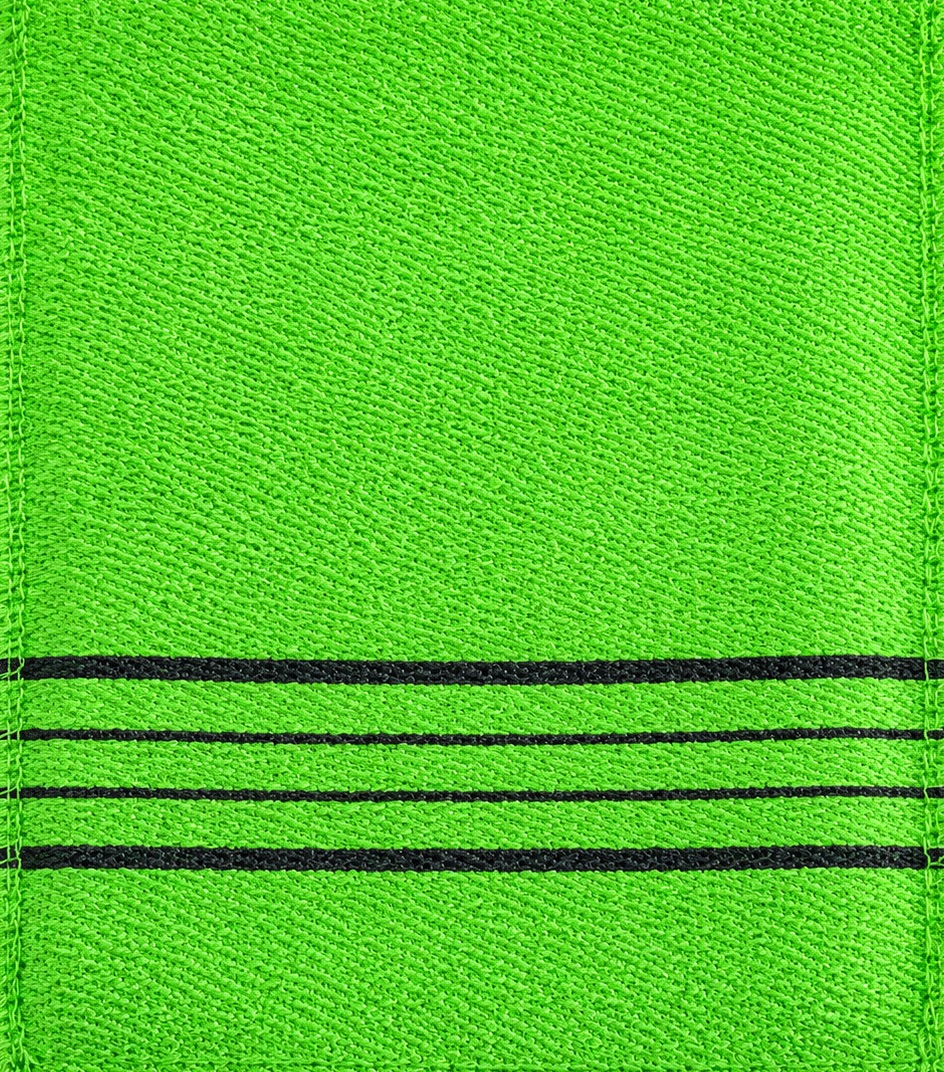
01
Where did it come from?
Government publications date it to 1967 at Hanil Textile. Local reporting places it in Busan in the 1960s.
Who invented it is less clear. Some accounts credit Kim Pil-gon, others Hanil Textile’s Kim Won-jo, and later reporting describes competing claims and bathing-glove registrations under Kim Pil-gon’s name. Developing the fabric, registering the design and selling the product may have been the work of different people.
The safest description is a Korean exfoliating towel developed in Busan in the 1960s.
02
Why "Italy"?
The usual explanation is that the first towels used viscose rayon imported from Italy, and its rough texture worked well for scrubbing. Government publications give this account. Other reporting points to imported textile machinery instead, so the Italian fabric story is the common belief rather than a settled fact.
03
Scrubbing is older than the towel
People in Korea were rubbing themselves clean long before the modern mitt.
Lee In-hye, a former researcher at the National Folk Museum of Korea, has pointed to Goryeo-era accounts that suggest people already cared about removing grime. Those records don’t show that today’s professional scrub has existed unchanged for 900 years. Older washing habits and modern bathhouse seshin are related, but they have separate histories.
04
Why Koreans scrub so hard
Before most homes had their own bathroom and reliable hot water, the public bathhouse was where people washed. A visit could also mark an occasion: getting ready for a holiday, starting a new school term, or a bath with a parent.
One researcher links the hard scrubbing to how often people could afford to go. If you couldn’t go often, you wanted to leave completely clean, and the Italy towel made that easier. It’s one reading of how housing, household budgets and a new tool fit together, and it hasn’t been proven.
05
When did professional seshin start?
Reporting on Korean bathing history puts the first professional scrub attendants around the late 1960s. Nobody has pinned down the first attendant or bathhouse to offer it.
Working from 1970s newspapers, a National Folk Museum researcher suggested the service may have appeared in men’s baths before women’s. That is an inference.
Seshin grew into a skilled job. Museum research recorded differences in tools, posture and technique between regions, and between men’s and women’s baths.
06
A souvenir before social media
Foreign interest isn’t new. A 2015 newspaper feature described Japanese visitors in the 1990s buying scrub towels in bulk at Namdaemun Market after trying a Korean scrub.
Today, private scrub studios and travelers are bringing the ritual to new people.
07
Try a scrub in Seoul
Scrub shops where you can book a one-on-one seshin.
Ready for your first soak?
Read the seshin guideBONBLE SEOUL. YOUR GUIDE TO KOREAN BATH CULTURE.
More from BONBLE magazine
 The Soak EditA Korean Bathhouse Experience at Home: What Makes Exfoliating Soap Different?
 Culture“Korean-style akasuri” on Japan’s spa menus: discovering seshin in Korea
 PlanPlanning a Korean body scrub and cosmetic treatments? Book the scrub first
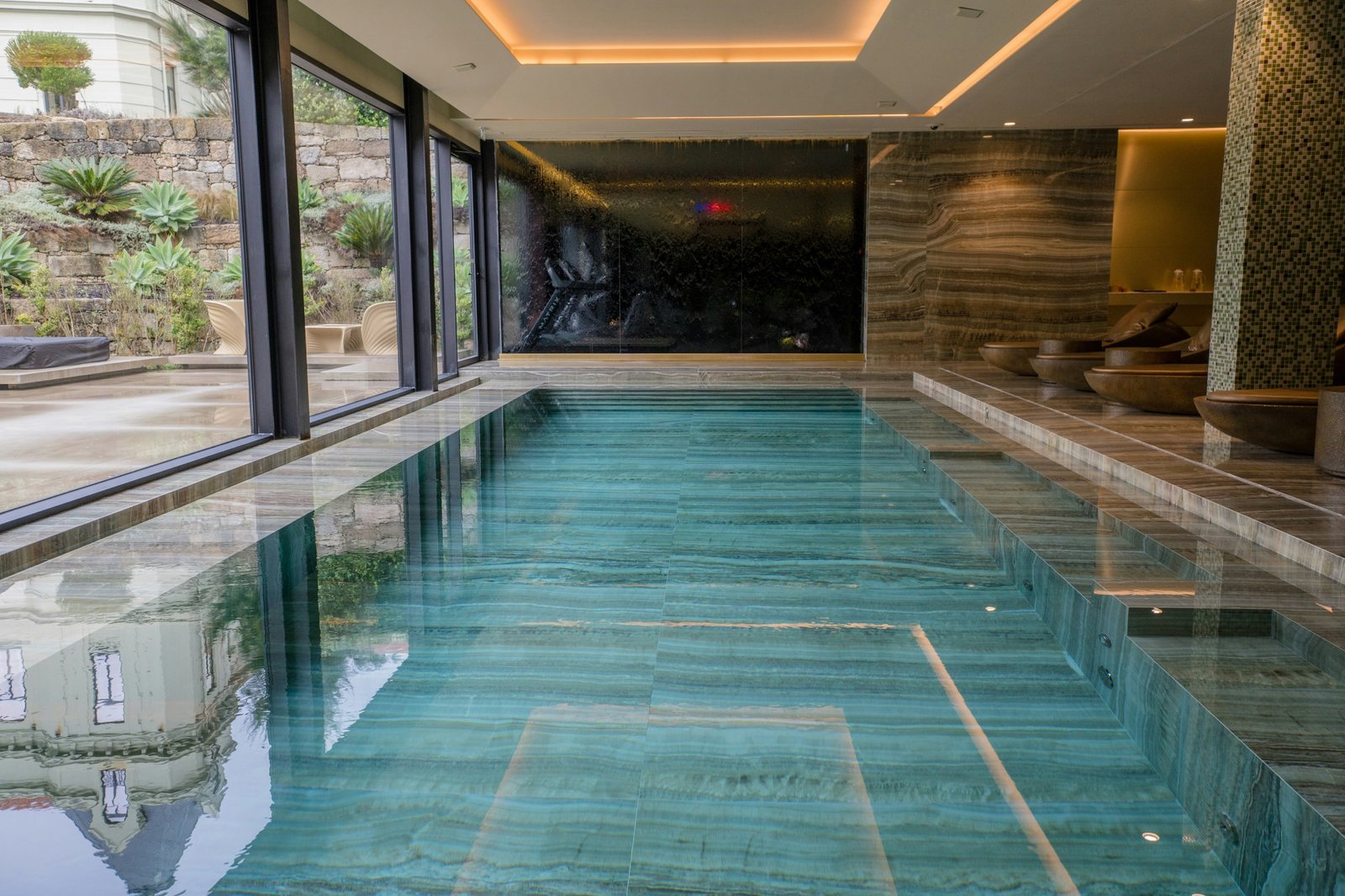 GuideFirst time? Here’s the vibe.
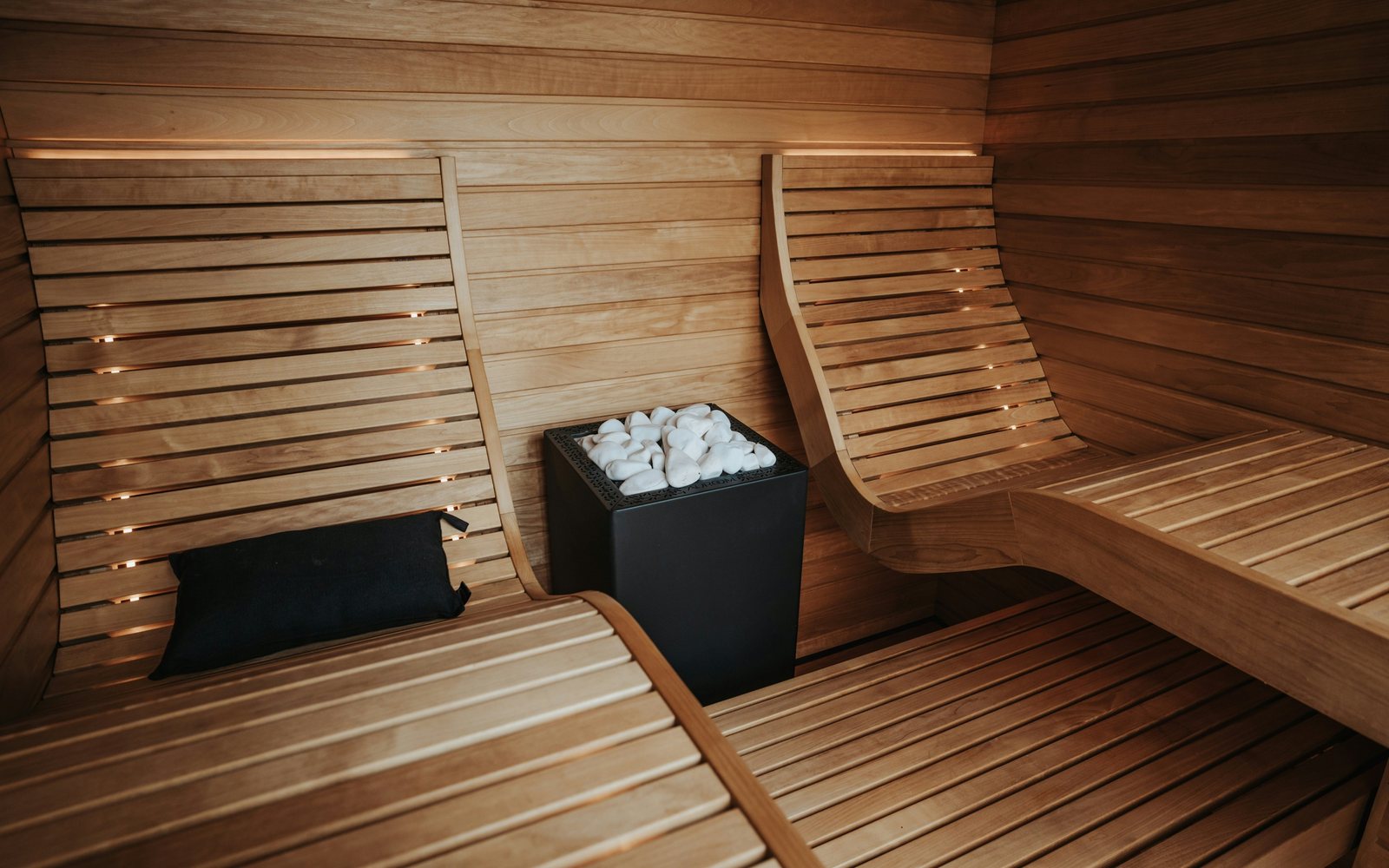 WellnessWhy soak? What the science says
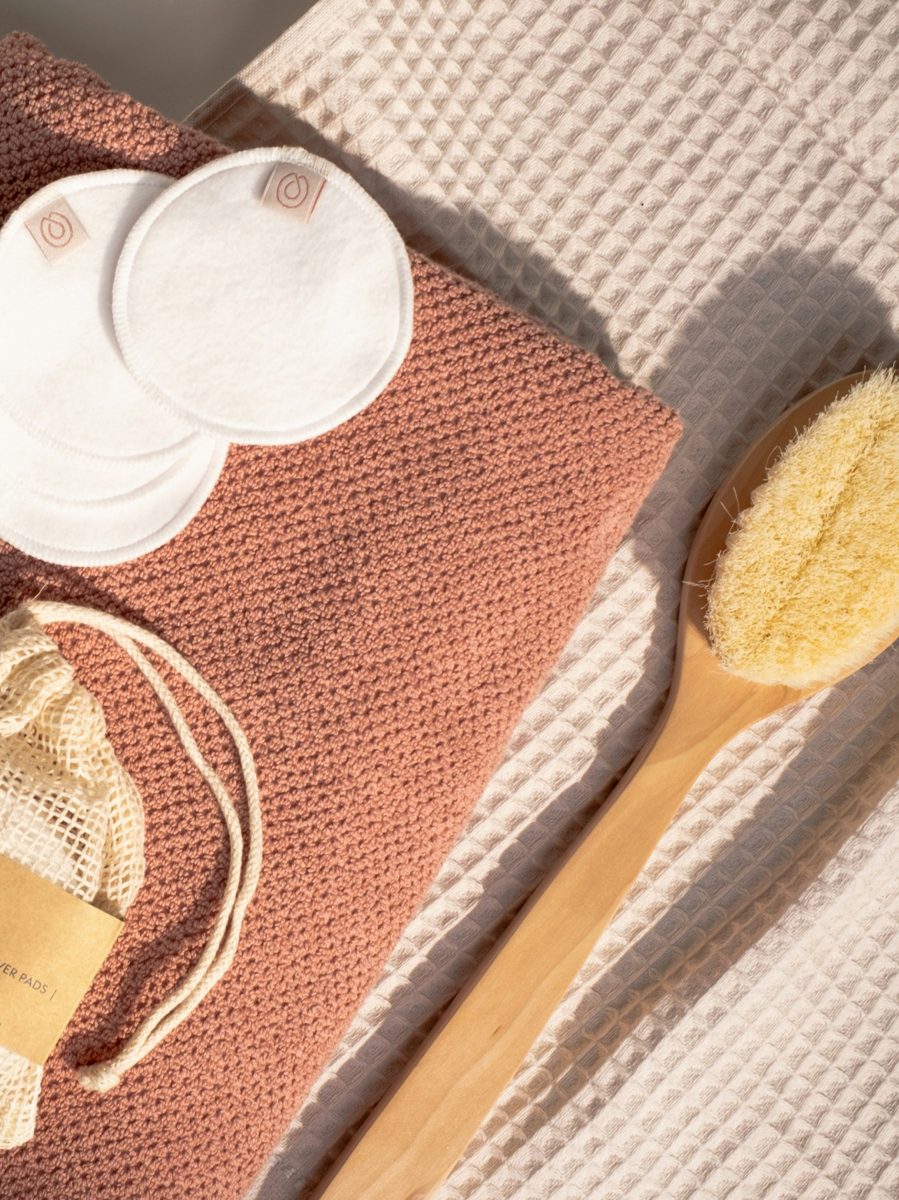 The Soak EditSoak kit: what to pack for your Korean bathhouse era
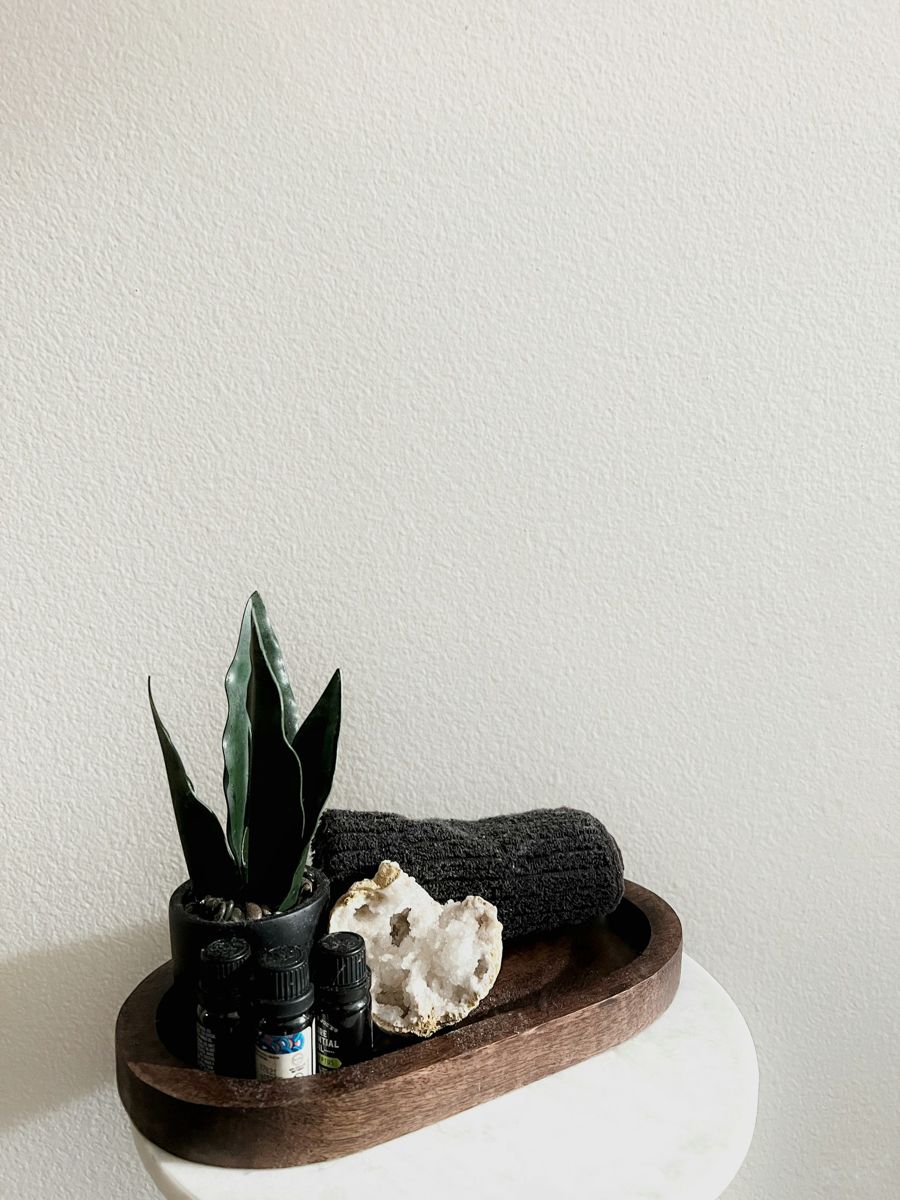 GuideThe Korean Body Scrub: Your Guide to Seshin
 SeoulThe best jjimjilbangs in Seoul: 10 we’d actually go back to
 ToolKorean phrases for the bathhouse: tap, show, done
 GuideHow much does a Korean bathhouse cost? 2026 price guide
 SeasonKorean hot springs and outdoor baths for winter
 GuideCan you go to a Korean bathhouse with tattoos?
 GuideKorean bathhouses for solo female travelers: a calm, safe guide
 RoutineThe Korean jjimjilbang routine, from packing to banana milk