A fresh start begins with a bath
Before making New Year’s resolutions, some Koreans head to the bathhouse.
01
The holiday bath
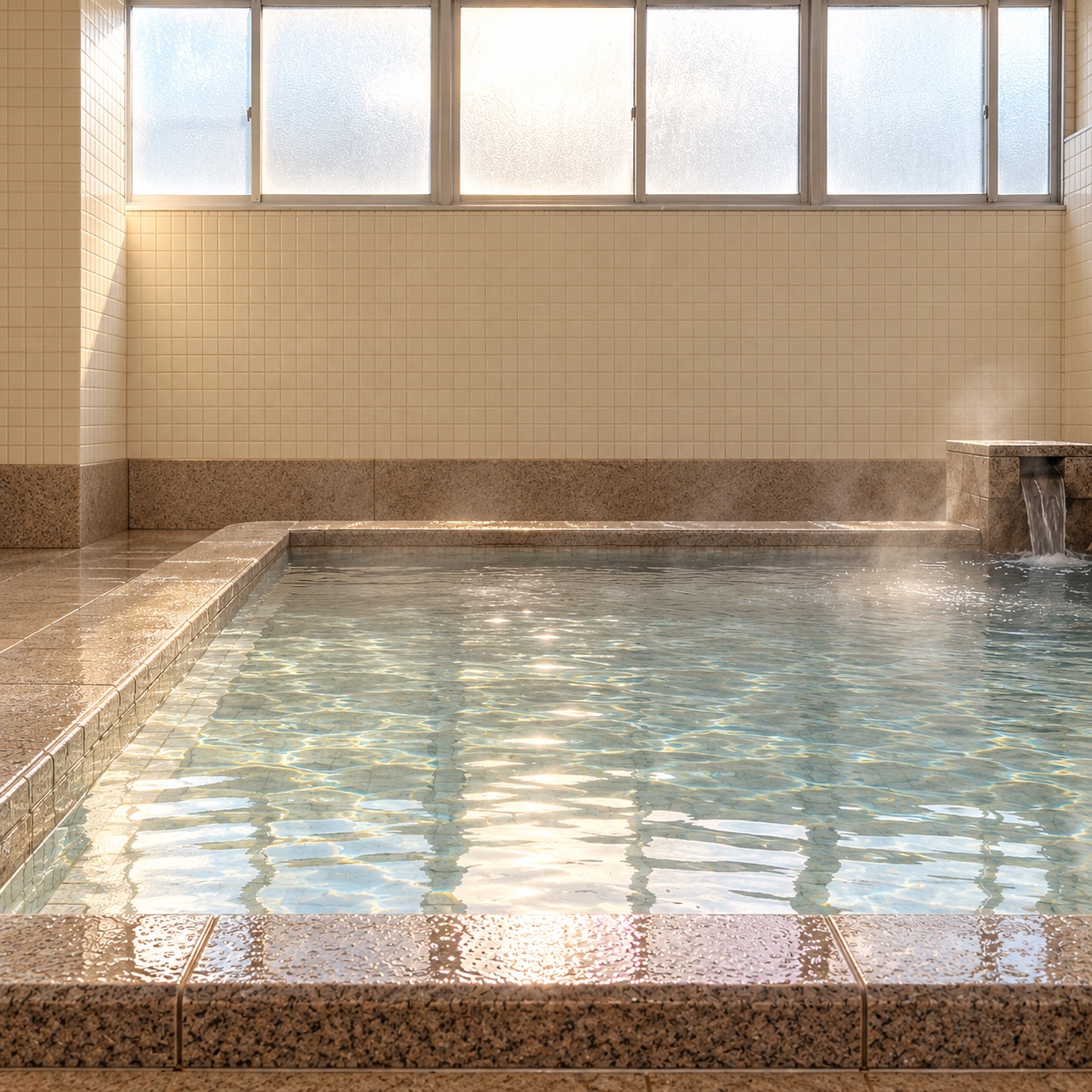
For many Koreans, going to a public bathhouse with family before Seollal (Lunar New Year) or Chuseok is a familiar memory. After a warm soak and someone scrubbing your back, you changed into clean clothes, and the holiday felt like it had begun.
Every family is different, but for some, that pre-holiday bath is still a ritual they keep.
02
Mogyokjaegye
Korean has a word for getting ready this way: mogyokjaegye (목욕재계). It means washing your body and putting your thoughts and conduct in order before an important occasion.
A holiday bath isn’t necessarily religious, but it carries the same idea: meeting a new chapter with a clean body and a clear head.
03
Water and renewal elsewhere
Other cultures tie water to renewal too. In Japanese Shinto, misogi uses water for purification. Islam has ghusl, a full-body ritual wash. In Judaism, tevilah is immersion in a ritual bath called a mikveh.
Each has its own meaning and practice, and in each, washing means more than getting clean.
04
“I feel like a new person”
At a Korean bathhouse you can add one more step: seshin, a professional body scrub. You soak in warm water first, then a trained attendant does the scrubbing. After the last rinse your skin feels smooth, and sometimes your mood feels lighter too.
Koreans often say “I feel like a new person” after seshin, and it’s close to how it feels. You walk out having left a little of the week’s weight behind.
You don’t need a holiday. The end of a long week, the start of something new, or a day when you just want time to yourself is reason enough.
05
Book a seshin
Scrub shops where you can book a one-on-one seshin.
Ready for your first soak?
Read the seshin guideBONBLE SEOUL. YOUR GUIDE TO KOREAN BATH CULTURE.
More from BONBLE magazine
 GuideFirst time? Here’s the vibe.
 GuideThe Korean Body Scrub: Your Guide to Seshin
 SeoulThe best jjimjilbangs in Seoul: 10 we’d actually go back to
 GuideCan you go to a Korean bathhouse with tattoos?
 GuideKorean bathhouses for solo female travelers: a calm, safe guide
 GuideHow much does a Korean bathhouse cost? 2026 price guide
 ToolKorean phrases for the bathhouse: tap, show, done
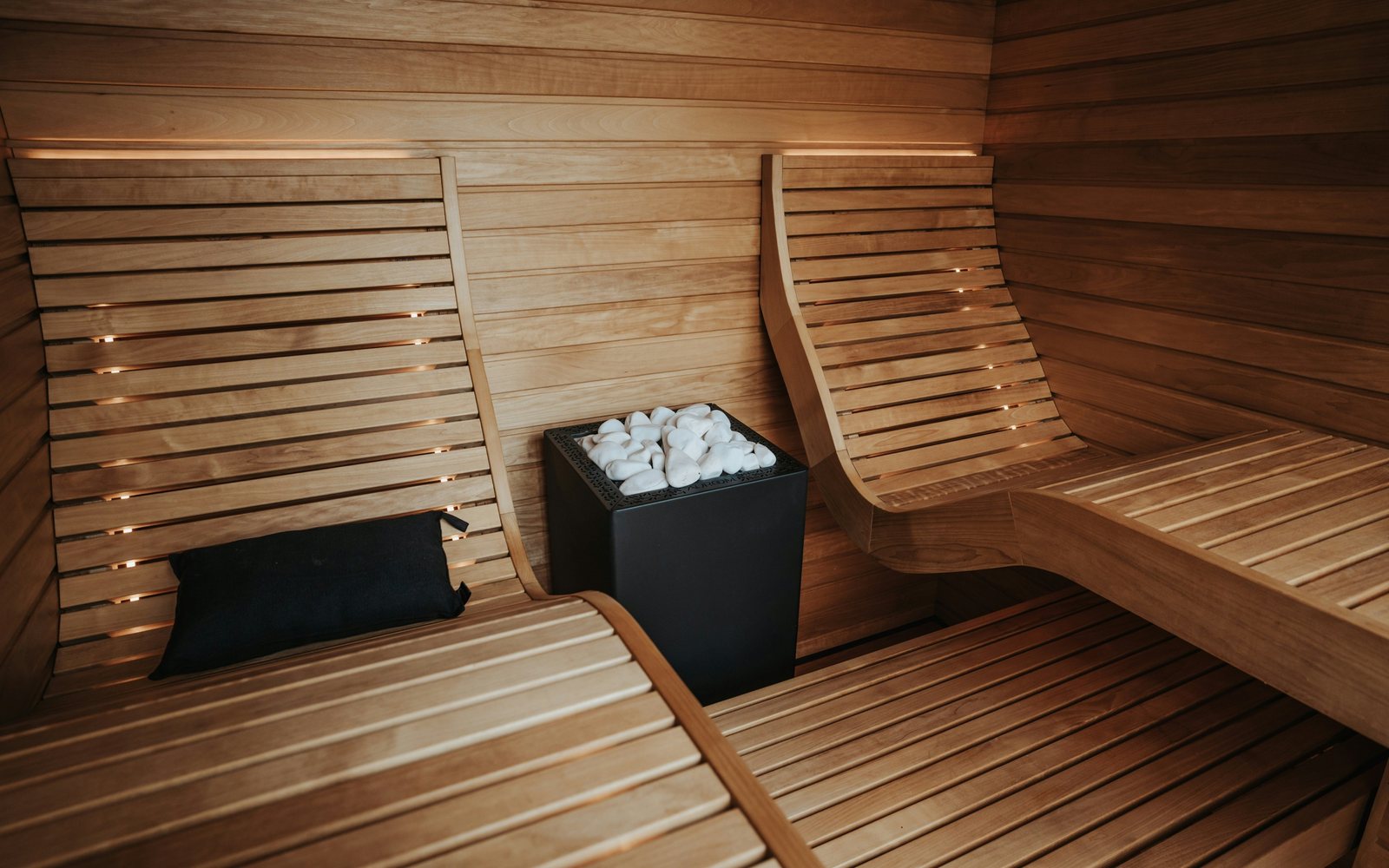 WellnessWhy soak? What the science says
 GuideBody scrubs in Myeongdong: how to pick a kiln spa and book it
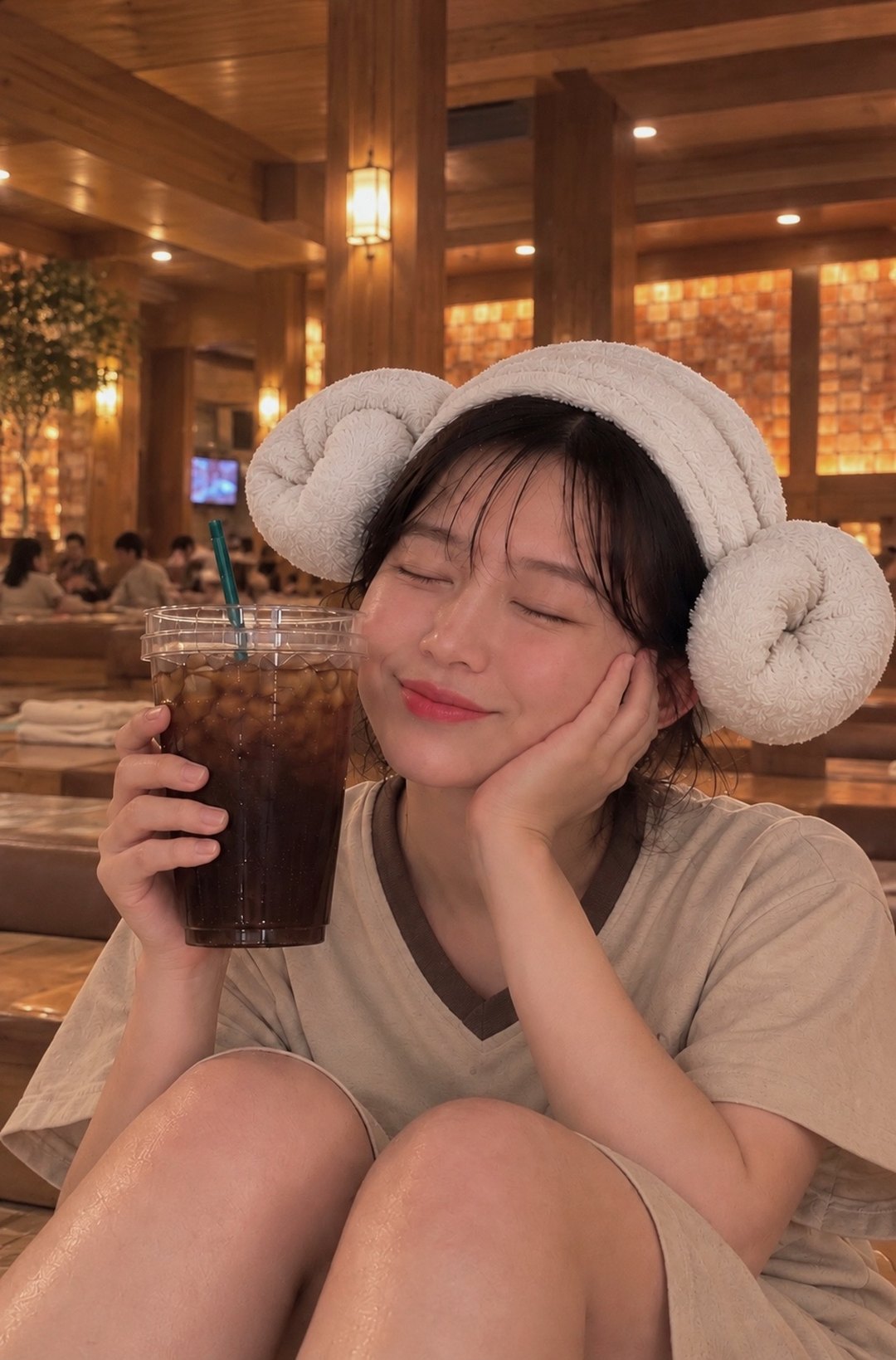 RoutineThe Korean jjimjilbang routine, from packing to banana milk
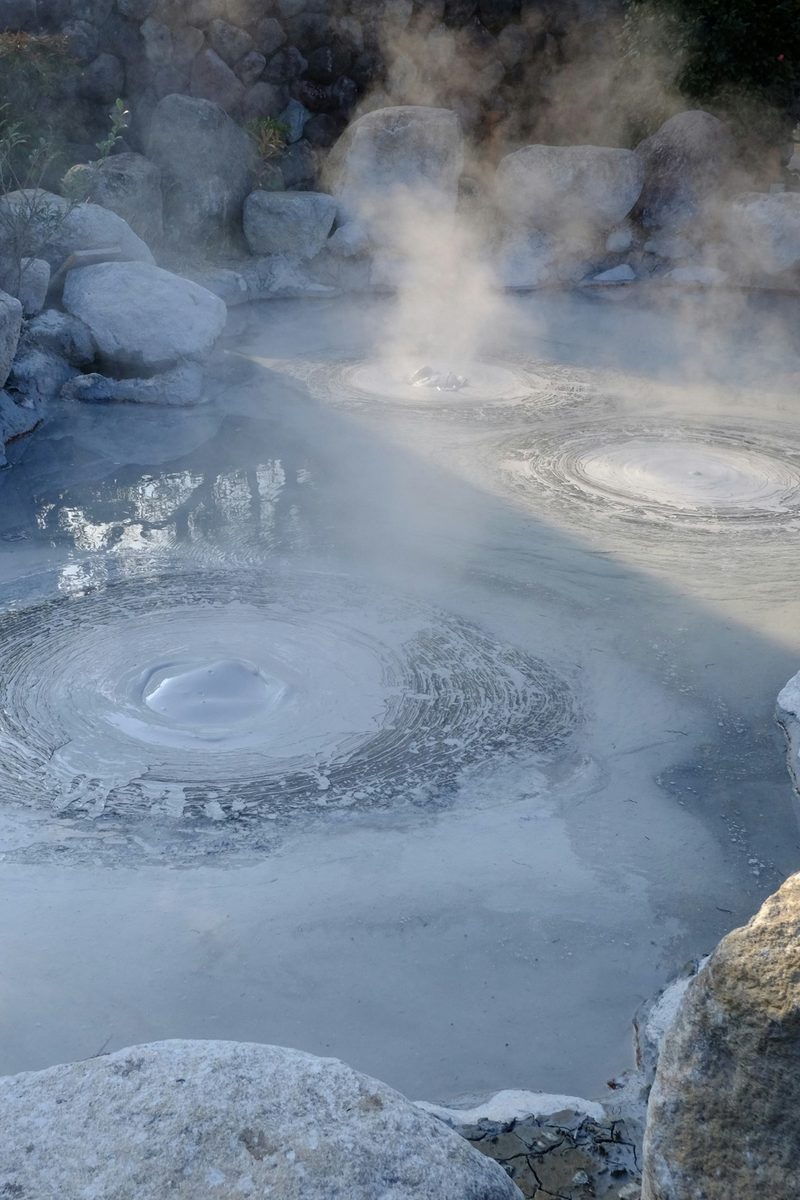 SeasonKorean hot springs and outdoor baths for winter
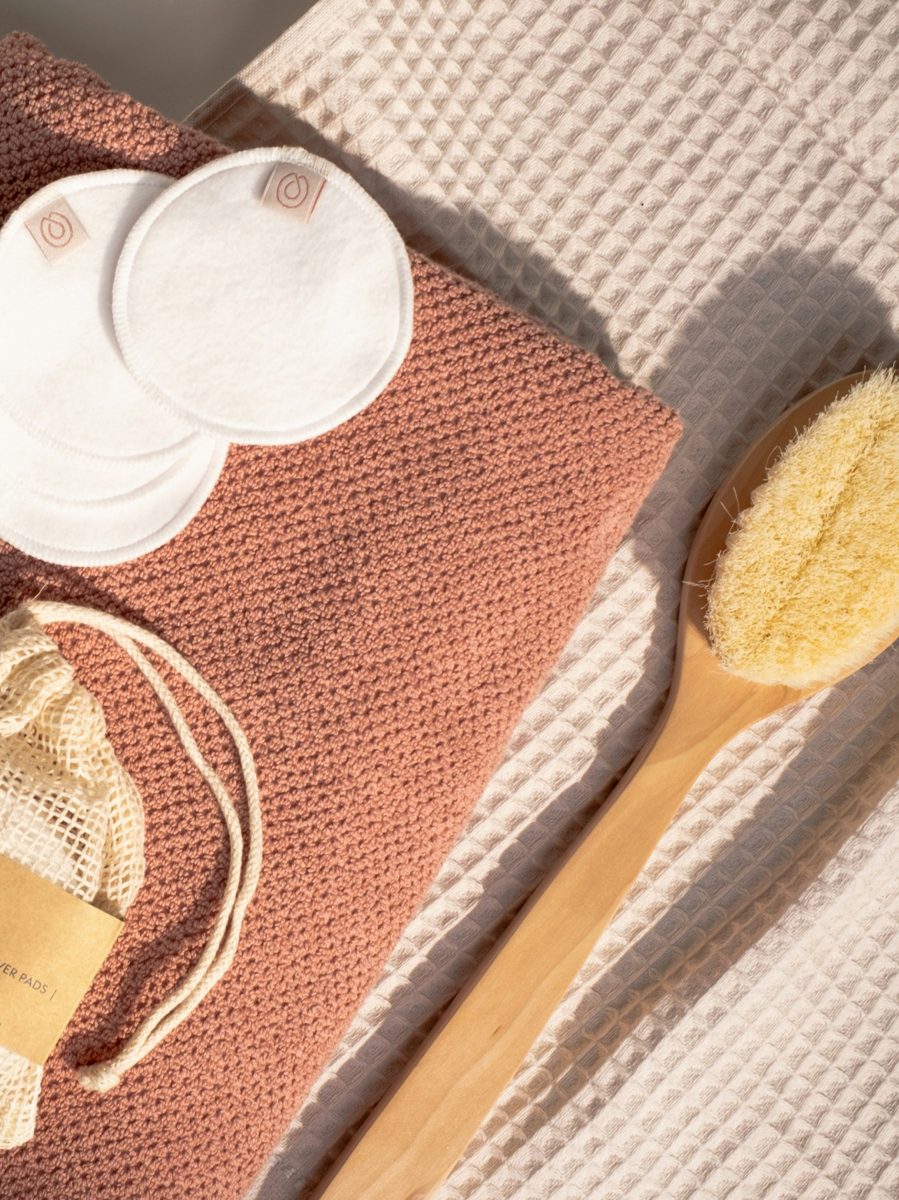 The Soak EditSoak kit: what to pack for your Korean bathhouse era
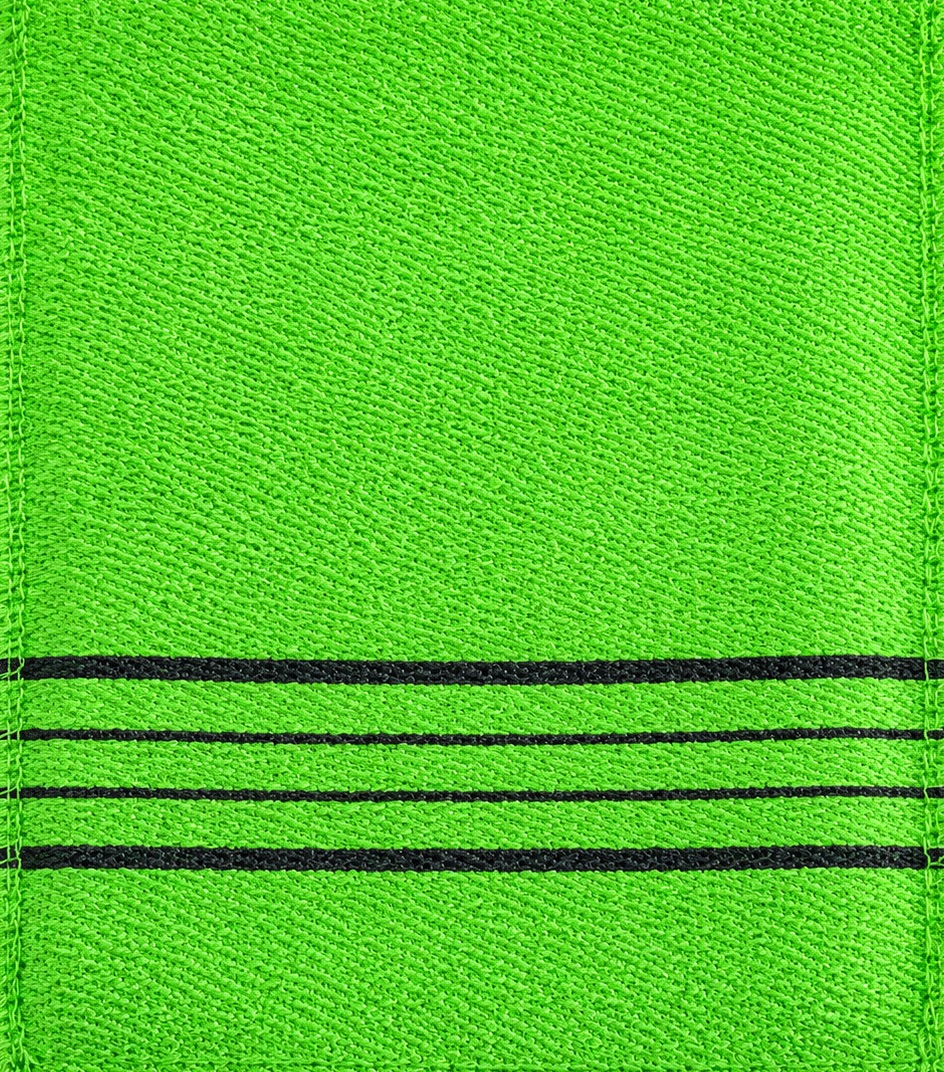 CultureThe Italy towel: a Korean bathhouse icon
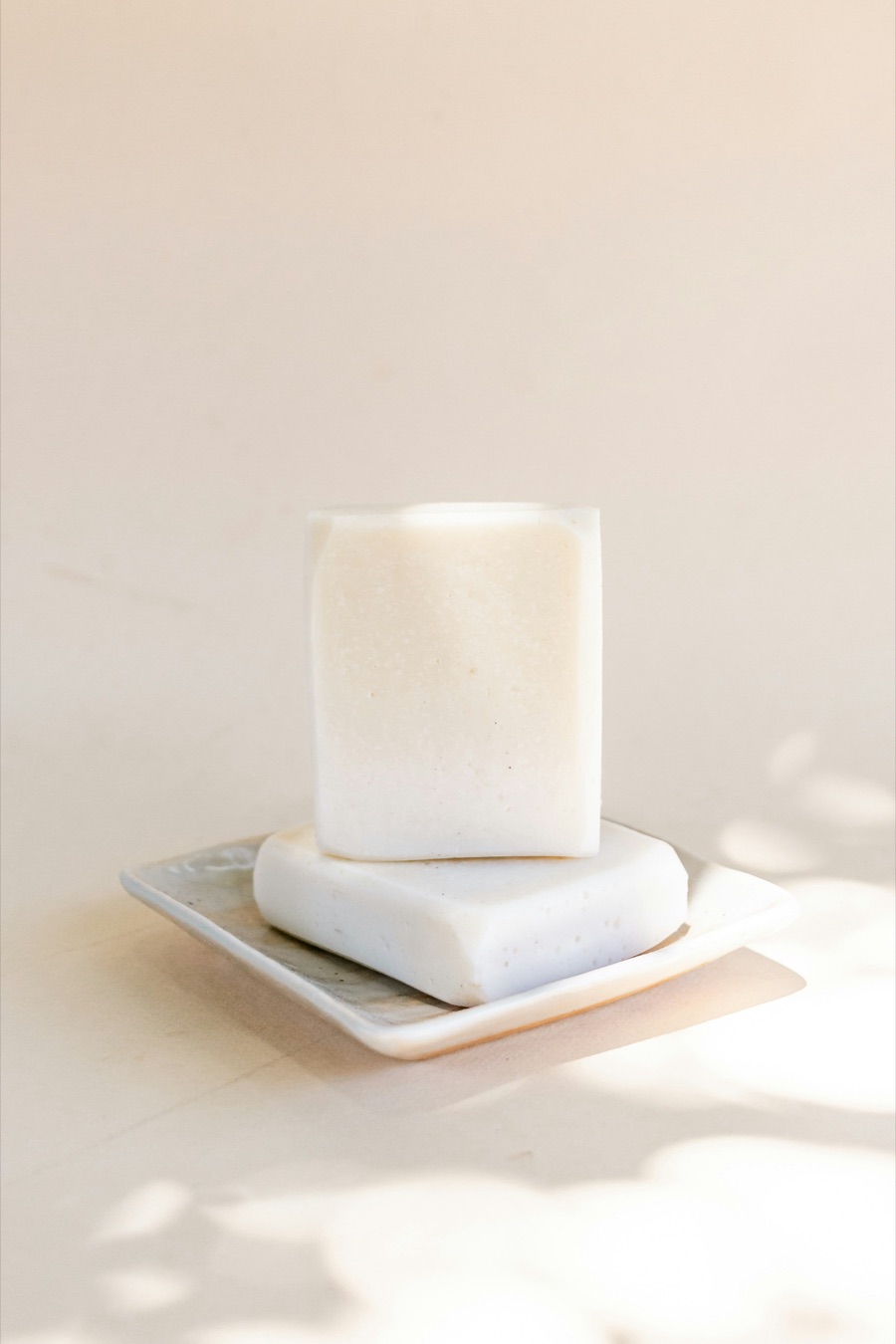 The Soak EditA Korean Bathhouse Experience at Home: What Makes Exfoliating Soap Different?
 PlanPlanning a Korean body scrub and cosmetic treatments? Book the scrub first
 Culture“Korean-style akasuri” on Japan’s spa menus: discovering seshin in Korea